
HOA Help · Post No. 1
Got an HOA Violation Letter for Your Overgrown Lawn? Read This Before the Fine Hits.
It usually arrives on a Tuesday. A plain envelope from your homeowners association, a photo of your own front yard printed in the corner, and a line that makes your stomach drop: the property is in violation, and it has to be corrected by a date that suddenly feels very close.
If you just got one, take a breath. Nearly every lawn violation in Miami-Dade and Broward is fixable, and most of them are fixable fast. What matters is the order you do things in, because fixing the wrong thing first is how people end up paying twice: once for the cleanup, and once in fines while they waited.
First, find the two dates that matter
Every violation letter has a cure deadline: the date by which the problem has to be corrected. Miss it, and the association can start fining you, in many Florida communities up to $100 a day until the yard passes inspection. Some letters also set a hearing date, which is your chance to show the problem is handled. Put both dates on your calendar today. Everything else in this article runs backwards from that deadline.
One more thing worth knowing: the photo in the letter is the inspector's evidence. Whatever is visible in that photo is what has to change before anyone comes back to look.
What the inspector actually checks
Inspectors work from the street and the sidewalk, and they look at the same short list every time. If your letter says "lawn maintenance" or "property upkeep," it almost always comes down to these:
- Grass height and edging. Turf that has grown tall and shaggy, with no clean edge along the sidewalk, driveway, and street, is the number one trigger for violation letters.
- Weeds where they do not belong. Weeds taking over planting beds, growing through sidewalk and driveway cracks, and crowding out the lawn itself.
- Hedges and shrubs out of shape. Bushes swallowing windows, hedges leaning over the public sidewalk, and growth blocking sight lines at the driveway.
- Dead and fallen material. Palm fronds on the roof or hanging over the sidewalk, dead branches, and yard debris left sitting at the curb past pickup day.
- Bare and patchy areas. Dead spots and dirt patches visible from the street, especially in the front yard where the photo gets taken.
Notice what is not on that list: nobody is grading your landscaping design. The association wants the yard maintained, visible, and consistent with the rest of the street. That is a much easier bar to clear than most people fear.
The fix, in the right order
-
1
Reset the yard with one full cleanup
Start with the violation itself, not with a schedule. A proper cleanup means cutting the grass back to a healthy height, edging every hard surface, pulling weeds from beds and cracks, shaping hedges, clearing fronds and debris, and hauling everything away. When the inspector returns, the yard in front of them should look nothing like the photo in the letter.
-
2
Document it and tell the association
Take your own photos from the street, the same angle as theirs, and send them to the property manager with a short note that the violation has been corrected. A dated photo ends most of these files on the spot, and it stops fines from accruing while paperwork catches up.
-
3
Put the yard on a plan so it never happens again
Here is the part most homeowners miss: the letter is rarely about one bad month. It is about a yard that slipped a little at a time. A recurring lawn care plan keeps the grass cut, the edges clean, and the hedges in shape on a set schedule, so the next inspection is a non-event. That is the whole fix: cleanup first, then a plan, in that order.
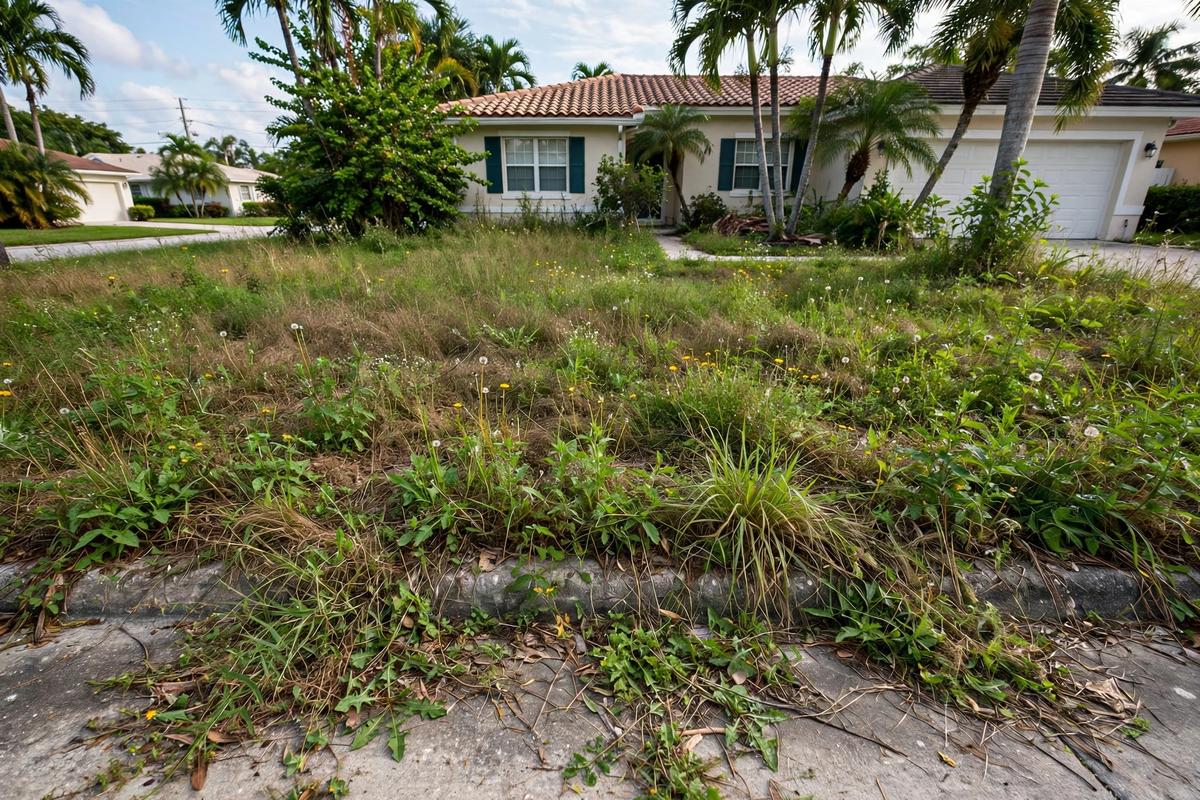
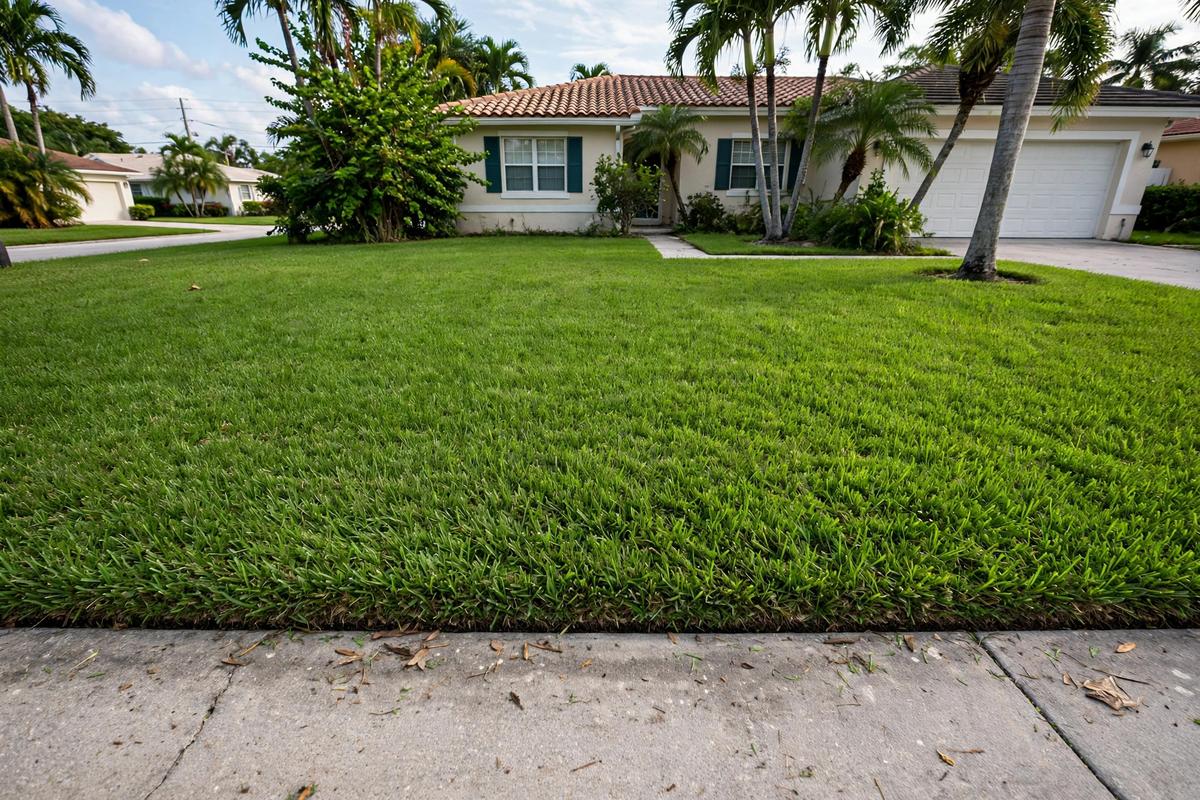
The difference one cleanup makes: the yard an inspector photographs, and the same yard a week later.
What it costs
A one time cleanup depends on how far the yard has gone, which is why we price it from a free estimate instead of guessing over the phone. Ongoing lawn care with PrimeGuard starts at $45, estimates are always free, and financing is available if a big cleanup needs to be split into payments. No contracts locking you in, and no surprise charges: you approve the price in writing before any work starts.
Deadline on the fridge? Let us handle the letter.
Send us the violation, or just tell us the cure date, and we will schedule the cleanup with time to spare, then keep the yard on a plan so the next letter never gets written. Book a free estimate at primeguardmia.com, or call us and talk it through.
General information for homeowners, not legal advice. If your letter mentions a lien, a hearing, or fines already assessed, talk to your association and, if needed, a Florida attorney about your specific case.
← Back to the Journal