
Storm Season · Post No. 2
King Tides Peak October 27: Clear Your Yard Before the Water Rises
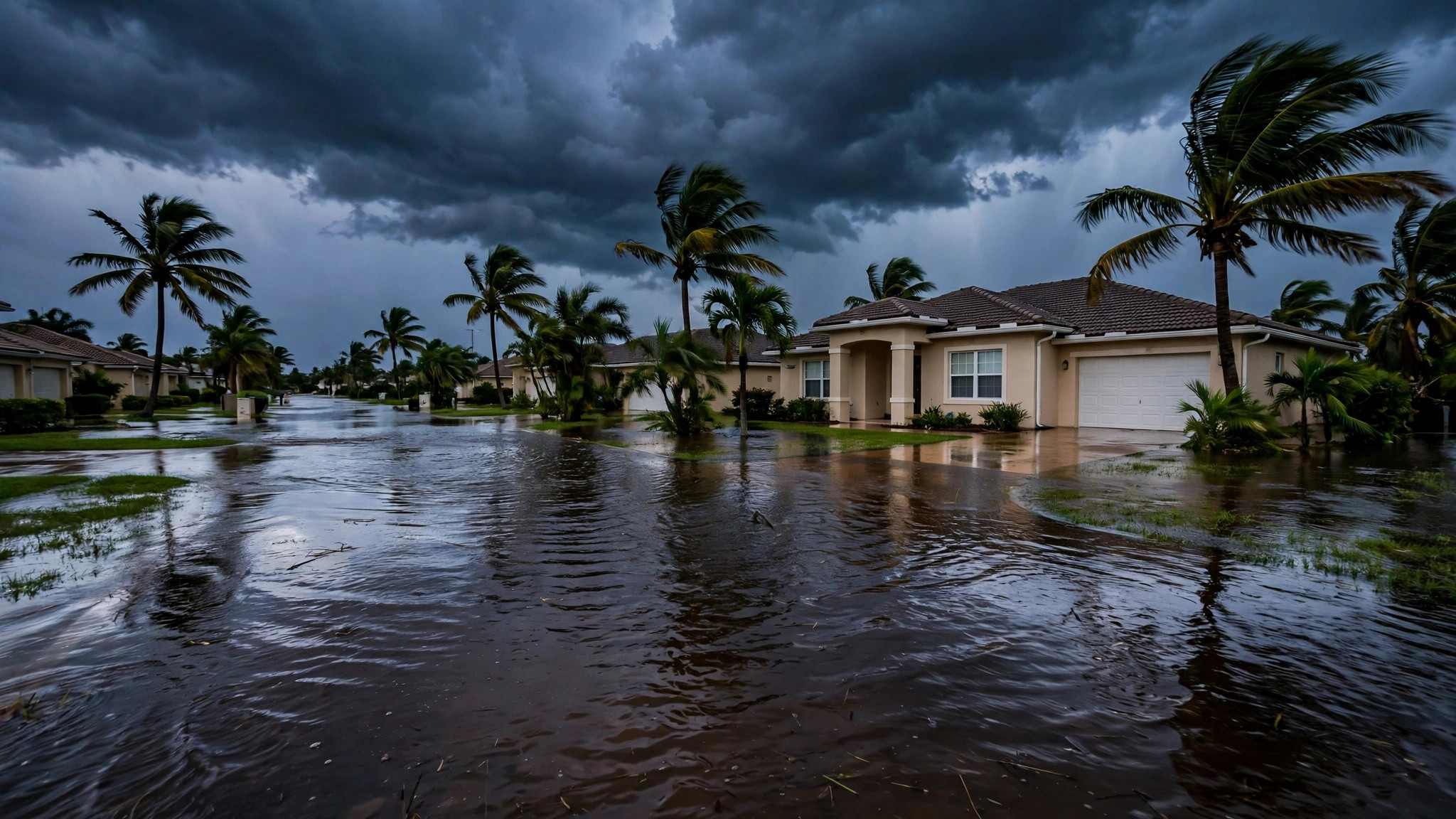
The highest tides of the year arrive this weekend, and forecasters say heavy rain on top of them could flood streets and yards across Miami-Dade and Broward. The South Florida Water Management District's tidal outlook for October 19 to 27 puts the year's highest predicted tide on October 27, with the king tide window running October 24 to 30 for Miami-Dade. Officials are already urging residents to clear storm drains and check the flood prone spots around their homes.
King tides are not a storm, and nobody needs to panic. But high water plus heavy rain plus gusty wind is exactly the combination that turns a messy yard into a neighborhood problem. The good news: the yard work that matters most takes one visit, and it happens before the water shows up, not after.
What king tide water does to a yard
When the tide pushes in, water does not politely stay in the street. It finds the low spots in your yard, pools against the house, and carries whatever is loose along with it. Fallen branches, palm fronds, leaf piles, and bagged yard waste either scatter across your property and your neighbor's, or they wash straight to the storm drain and clog it, which makes the flooding on your street worse for everyone. Salt water left sitting on concrete and pavers also leaves a residue that gets slippery fast once algae wakes up in it.
That is why the county advice to clear drains matters at the household level too. A drain cannot do its job if a season of yard debris is floating toward it.
The cleanup that matters happens before the water
Walk your property this week with one question in mind: what would float, blow, or wash away? That short list is the whole job:
- Fallen branches and palm fronds. Anything already on the ground becomes floating debris the moment water pools. Get it hauled away, not stacked by the curb.
- Yard waste piles and leaf buildup. Loose clippings and leaf piles wash straight to drains. Bagged or piled at the street, they are the first thing to scatter in 30 to 40 mile per hour gusts.
- Lightweight items. Empty planters, buckets, pool toys, and loose patio gear should be secured or moved inside before the weekend, especially in low lying yards.
- Your curb and drain line. Clear leaves and sediment from the gutter in front of your home so street water has somewhere to go. Five minutes here can be the difference between a wet street and a flooded driveway.
None of this needs to be perfect landscaping. It is a debris removal and cleanup visit: cut back anything dead or hanging, clear the ground, and haul it all off the property so the tide has nothing to work with.
After the water recedes, wash the salt away
Once the streets dry out, look at your driveway, walkway, and patio. King tide water leaves a salty film that holds moisture and feeds the green slick that makes South Florida concrete treacherous. A pressure washing pass clears the residue, lifts the grime the floodwater deposited, and resets the surface before algae takes hold. It is also the moment to check fence lines and low corners for debris the water dropped off, because that material rots fast in the heat and draws pests.
The order is the whole strategy: cleanup and debris out before October 24, pressure washing after the peak on October 27. Two short visits, and the highest water of the year becomes a non-event at your address.
The window opens October 24. Book the cleanup before it.
We are scheduling pre-tide yard cleanups and debris hauling across Miami-Dade and Broward this week, with pressure washing slots held for after the peak. Start with a free 20 minute yard check: we walk your property, flag where the water will sit, and leave you written findings. No obligation.
Tide and weather conditions change. Follow Miami-Dade County, Broward County, and the National Weather Service for current flood advisories, and never drive or walk through flooded streets.
← Back to the Journal